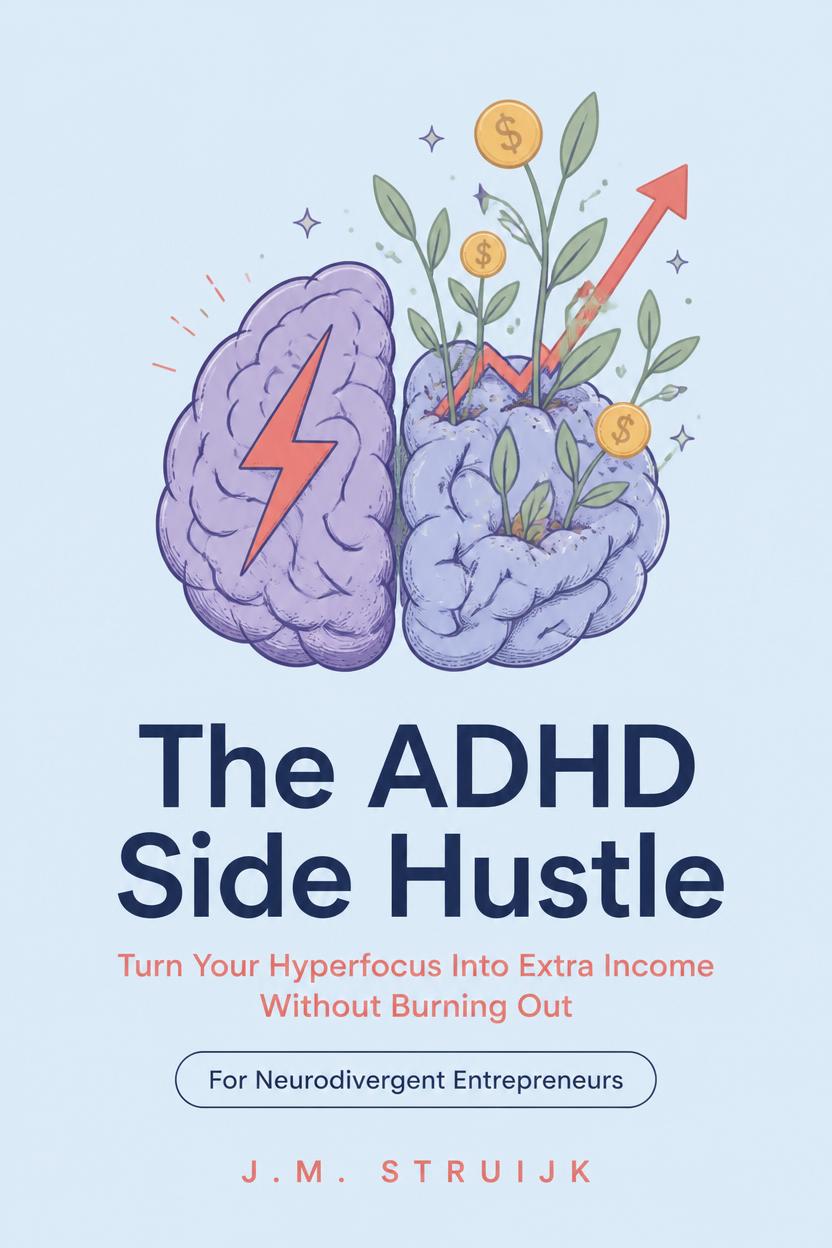
At some point, cutting costs stops being enough and the only remaining lever is earning more. Most side hustle advice then tells you to stay focused and be consistent, which is the advice least likely to work for an ADHD brain.
This book is about building extra income around the way ADHD actually behaves: in bursts, driven by interest, with variable energy. It is the third book in the ADHD Money Mastery Series.
Who it's for
Adults with ADHD who are tired of jobs that do not fit how they work. People who have got their spending under control and still cannot earn enough for budgeting to matter. Anyone who has started several businesses and finished none of them. Freelancers who need systems that hold up on bad days.
What's inside
The book treats hyperfocus, pattern recognition and tolerance for risk as advantages, then deals honestly with the costs that come with them. It covers:
- 25 side hustles rated for how well they suit an ADHD brain, including which ones to avoid.
- The 48-Hour Business Launch Challenge, for starting without overthinking.
- Getting your first client without feeling like a salesperson.
- The 3-Bucket Business Money System.
- Time management for variable energy levels.
- Using AI to cover the tasks ADHD makes hardest.
- The 90-Day Focus Rule, for breaking the cycle of starting and quitting.
- How to tell when to quit and when to pivot.
- Simplified legal and tax basics.
It includes templates: a launch checklist, a service pricing calculator, email and proposal templates, a monthly business review, and a tax deduction tracking sheet. The roadmap runs from a first $100 through $500 and $1,000.
Where it fits
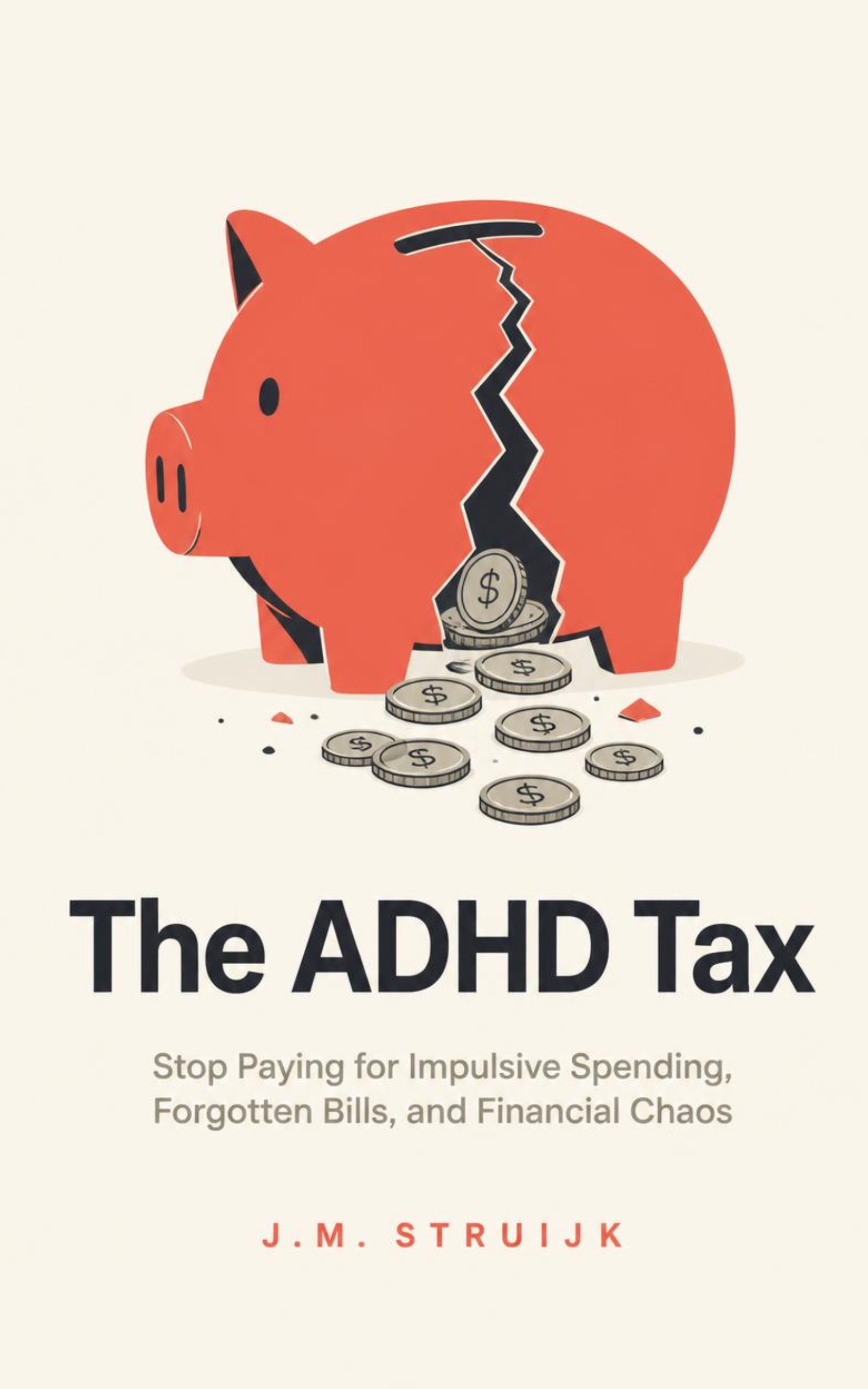
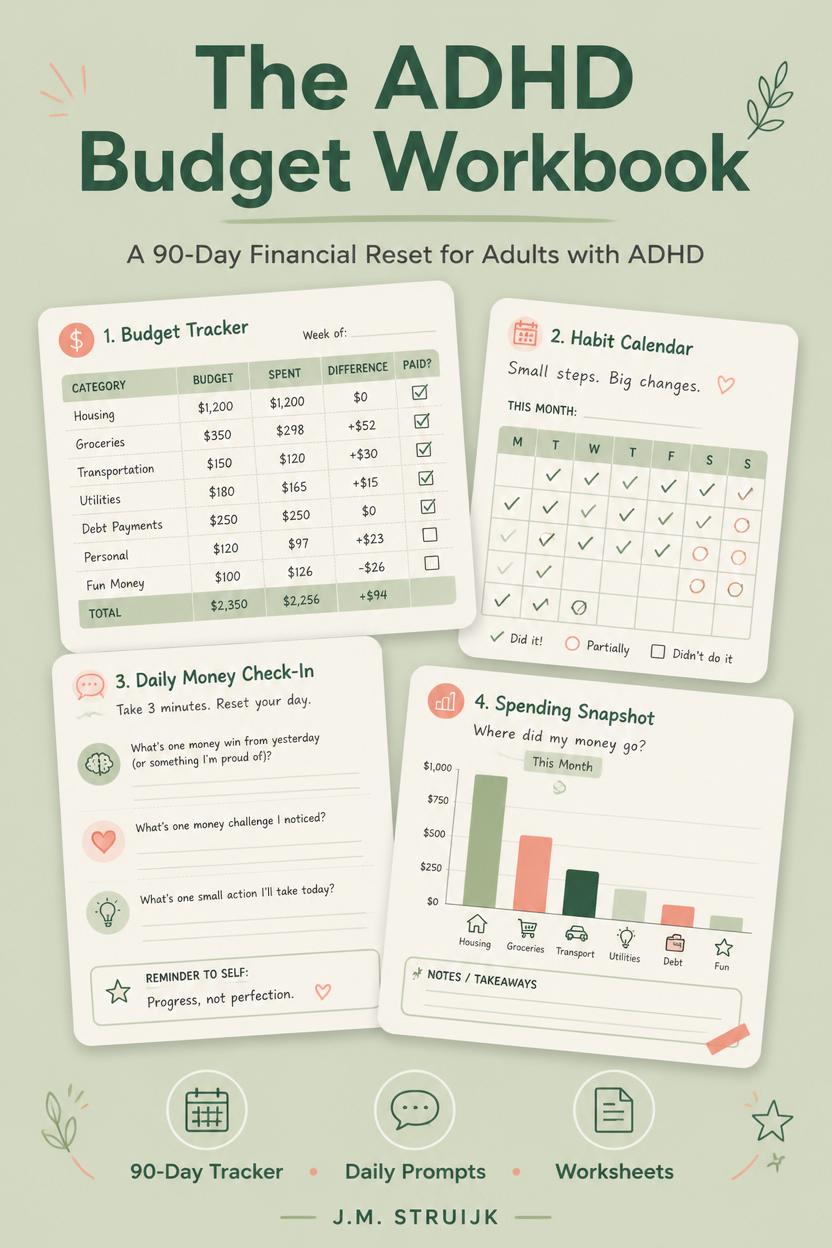
The ADHD Tax and The ADHD Budget Workbook deal with money going out. This book is about money coming in. The article on hyperfocus without the crash covers the burnout side of working in bursts.
Common questions
Do I need a business idea before reading it?
No. The book rates 25 side hustles for ADHD compatibility specifically so you can choose one that suits how you work, rather than starting from an idea and hoping it fits.
How does it deal with shiny object syndrome?
Directly. The 90-Day Focus Rule is about channelling the urge to start new things instead of trying to eliminate it, and there is guidance on telling a genuine pivot from another abandoned project.
Is it only for people starting a business?
It is also written for existing freelancers who need better systems for time, clients and money, particularly ones that survive low-energy weeks.